Embracing Autism: The Power of Compassion and Community in Advocacy and Acceptance
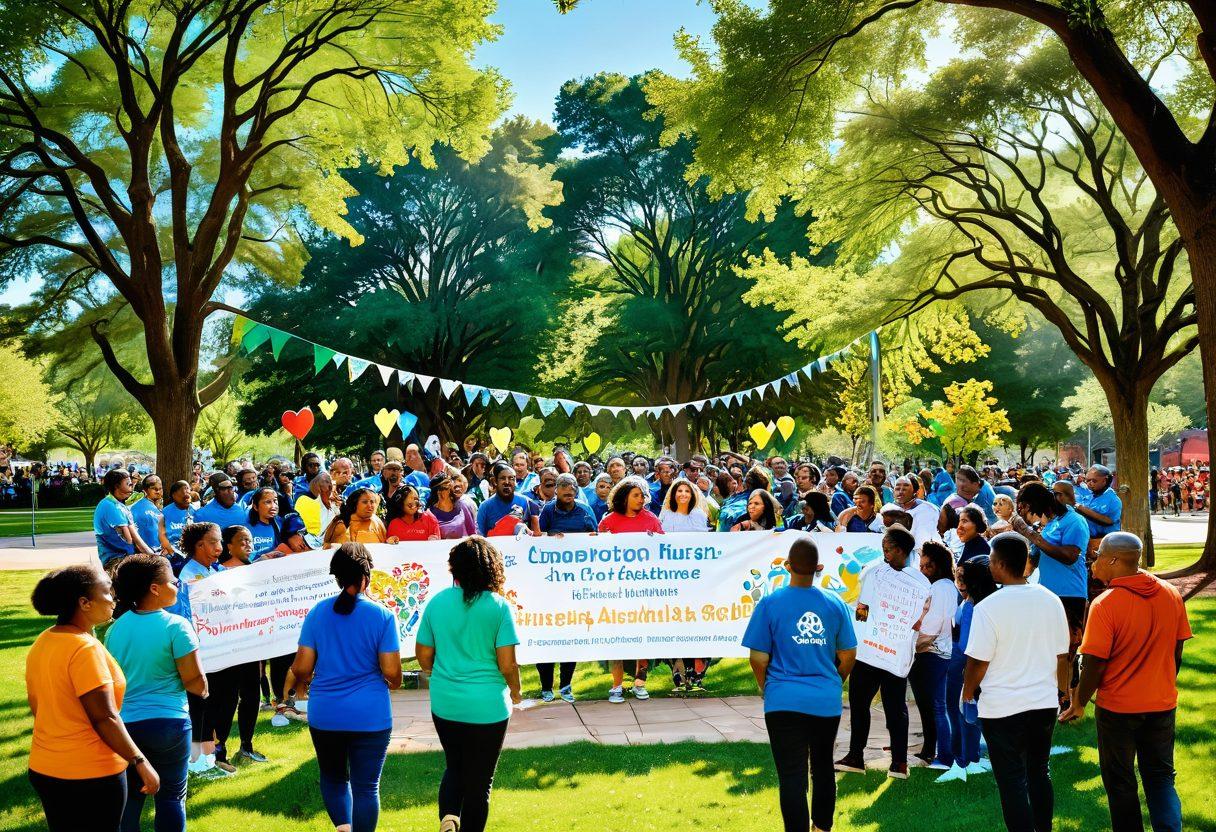
Imagine walking into a room where laughter echoes, curiosity flourishes, and acceptance is at the heart of every conversation. This is what community support for autism can look like when compassion takes center stage. To embrace autism is to cultivate a society where differences are celebrated, and everyone—regardless of where they fall on the autism spectrum—feels an undeniable sense of belonging. As we embark on this journey of autism acceptance, it’s crucial to understand how community support plays a vital role in promoting autism education and mental health awareness.
So, what does it mean to truly embrace autism? It's much more than a slogan; it's an invitation to open our hearts and minds to individuals who experience the world differently. Compassion is the backbone of this advocacy. It’s about the affection shown through small acts of kindness—be it offering a helping hand or simply engaging in meaningful conversations about autism information that illuminates the diverse experiences within the autistic community. Community support transcends barriers and fosters a spirit of inclusivity that makes a tangible difference in the lives of those who navigate the intricacies of autism inclusion.
Consider the impact of an autism support group in your neighborhood. These gatherings have the power to transform lives. It’s a space where parents who are worried about their child's well-being can share their concerns and receive guidance from experienced members. It’s also where individuals on the spectrum can forge friendships, feel understood, and express themselves without fear of judgment. Community connections built upon mutual respect and care for one another become pillars of strength, enabling advocacy efforts to thrive and ensuring that no one feels isolated in their journey.
Think about the vitality of participating in local autism events. Whether it’s a fun run, an awareness campaign, or an arts festival, these initiatives don’t just raise funds; they cultivate understanding and show that together, we can break down barriers. Engaging in these events not only spreads important messages about disability awareness and neurodiversity but also creates a culture of acceptance. Have you participated in an event that changed how you see autism? These shared experiences are foundational in building a compassionate community that uplifts everyone.
Ultimately, nurturing compassion and fostering community support for autism is about action. For those who want to contribute, it could be as simple as educating yourself about autism, volunteering with local autism networks, or engaging in thoughtful dialogue with your peers. Each effort, no matter how small, propels the movement forward. By championing autism advocacy, we advocate for mental wellness and create an environment where empathy flourishes, paving the way for a brighter future—one where we truly embrace autism with open arms and compassionate hearts.
Building Bridges: The Role of Advocacy in Embracing Neurodiversity
In our increasingly diverse world, the concept of neurodiversity is gaining recognition and importance. The idea that conditions like autism are part of the human experience, rather than something to be cured, calls for a compassionate embrace from our communities. Advocacy is more than just a word; it is a lifeline linking families, support for autism groups, and communities together. It helps to create a bridge towards a future where autism acceptance isn’t just tolerated but celebrated, fostering mental wellness for all individuals involved. Can you imagine a society where everyone’s differences are welcomed with open arms?
Building bridges within communities means more than advocacy; it requires deep affection and care for those on the autism spectrum. Autism education is critical in promoting not just understanding, but also well-being for individuals with autism. Schools and families play a significant role in this journey. For instance, when children are educated about neurodiversity from an early age, they grow up to be more inclusive adults. Have you ever noticed how kids often embrace differences that adults overlook? It’s a reminder of how purity in understanding can contribute to a supportive environment.
Think about the power of shared experiences. Autism support groups create spaces for individuals and families to connect, share stories, and empower one another. Imagine sitting in a circle, each person sharing a tale of triumph or challenge through compassionate listening. These connections aren't just powerful; they serve as a backbone for autism advocacy, sparking discussions around mental health awareness and disability support. How can we build more of these supportive networks in our communities?
Autism events can be transformative experiences. From local meetups to larger conferences, they offer not just information, but a celebration of inclusivity and neurodiversity. These events provide crucial autism information for families and individuals, helping break the stigma surrounding autism spectrum disorders. They are an opportunity to highlight the beauty of difference and to learn how to better support each other and foster autism inclusion in our interactions. Have you participated in any such events? What did you take away from those experiences?
Ultimately, building bridges in advocacy is about collective action and responsibility. We hold the power to shift perception and make autism acceptance a societal norm. When we actively seek to understand the experiences of those on the autism spectrum, we nurture a culture that values community support and empowerment. Every effort counts, whether it’s sharing information, educating others about autism, or advocating for mental health resources. Let’s unite in this journey—together we can make a profound impact and create a world where neurodiversity is embraced with compassion and understanding.
From Awareness to Action: Creating Inclusive Spaces for Those on the Autism Spectrum
Imagine a world where every individual, regardless of their neurological makeup, is celebrated for their unique qualities. When we talk about autism acceptance, we embark on a journey not just of awareness, but one that propels us into intentional action. This is where compassion and community intertwine, creating inclusive spaces that empower those on the autism spectrum. In this blog, we’ll explore effective ways to transition from mere awareness to genuine, actionable steps that promote autism inclusion and encourage affection among us all.
So, what does it mean to embrace autism? It begins with the simple act of care. Think back to a time when you felt embraced by someone who genuinely understood you. This sense of belonging can be life-changing for individuals within the autism spectrum, as it fosters a nurturing environment that acknowledges their feelings and needs. But how can we cultivate this kind of mental wellness in our communities? First, we must engage in autism education not just within schools, but in our homes and workplaces as well—ensuring everyone has access to crucial autism information, and understands the nuances of neurodiversity.
Creating inclusive spaces requires the concerted effort of individuals, networks, and organizations alike. This isn’t just about changing policies; it’s about fostering intimate connections through advocacy. Engaging in community support and organizing autism events invites broader participation, ensuring that everyone can play their part in disability awareness. Can you imagine a café where the staff is trained in autism inclusion or a local library hosting sensory-friendly storytime? These small, yet meaningful, actions can dramatically alter the lives of those needing support for autism in their daily routines.
To build these inclusive environments, we need autism advocates—individuals and families who share their journeys, highlighting the importance of compassion. Forming or joining an autism support group can be a profound way to connect with like-minded people. Support groups provide a space for shared experiences and practical advice while cultivating friendships rooted in understanding. As we gather in these safe havens, we reciprocate care that transcends basic interactions, enriching the well-being of both those on the autism spectrum and their allies.
Ultimately, transforming awareness into action boils down to empathy. Let’s reflect: Would you want your own loved ones to be treated with kindness and respect? Creating inclusivity isn’t solely the responsibility of those directly affected by autism; it’s a collective challenge that involves everyone. By implementing actionable strategies, offering affection, and advocating for autism acceptance, we can change the narrative surrounding autism. It's about making lasting connections, fostering understanding, and helping each person thrive within our communities. So, how will you choose to embrace autism today?